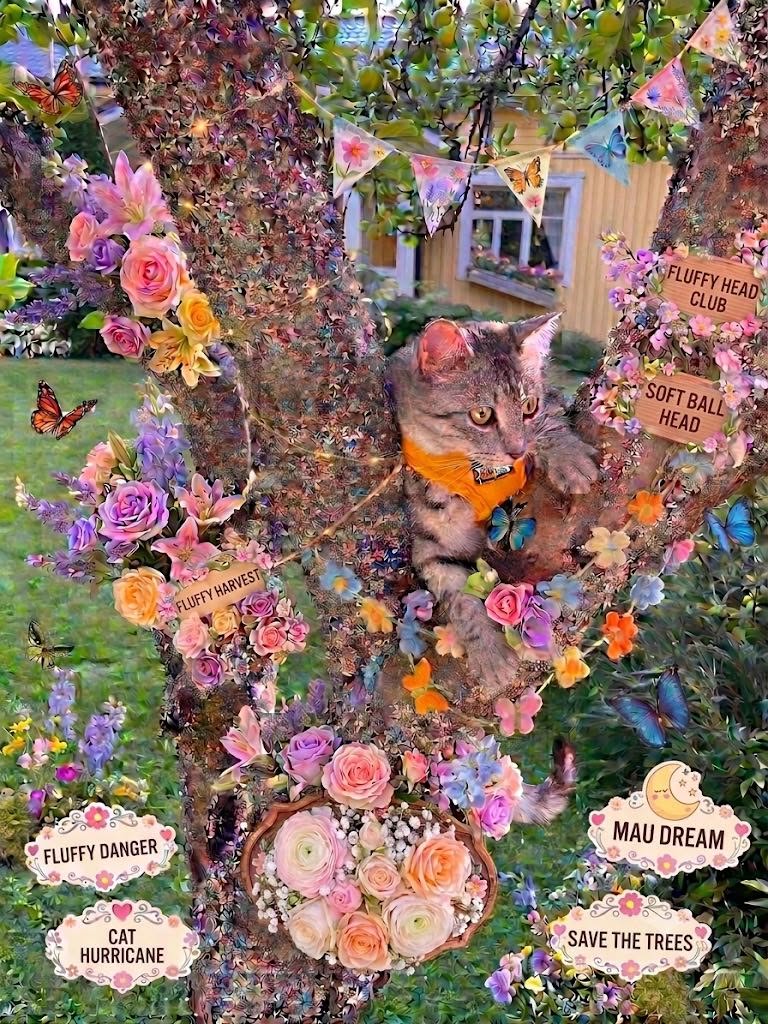
I can go either way, or neither – I am entirely free to do whatever I please.
Snappish:
You did something wrong, nothing will come of that, I sneak and pad about, stalking your freedom into phantoms.
Aloof:
I let it be understood that nothing whatsoever will come of that, yet I’m in on it, because I sense something I am free to seize, something someone senses, someone who will surely see what I express, and the writer too, later, through another language, if
Eager Doubter:
Of course it will come to something, for in me there is a fire with roots of its own, and I’ll bring it even to what you’re doing, I whoosh like the universe and the void, and off we go – or do we?
Antu of the Poem:
Now it is time to dream.
DANGLE-ANKLE:
I’m only human too! No, we’re not talking about this now! Don’t get stuck on this! People die! You have wide networks! No! These things happen! That’s life!
(Leans in.)
I incline towards you!
(Straightens up.)
I’m on holiday.
Antu of the Poem:
Now it is time to write.
YesNoMaybe:
Great, there’s more over there but I’ll come back here too, perhaps this calls for commitment well well I might come back keep the door open I’m running off now looking back tripping over my own feet – kipsis kapsis.
Immediate:
Worlclass, publish it now, don’t think don’t fix, the world is at my feet, everything straight out! Oh, look how that turned out! Don’t learn any more.
Sweet Diminisher:
I’ll take you in, as long as you stay the way I understand you. Lovely, but what was this again, I forgot. Of course I’ll come, but I haven’t the time, there’s someone more important.
Antu of the Poem:
The tale is dreadfully sweet.
Thanks to Aino-Marjatta Mäki for the Idea & to Goethe for Inspiration (Wilhelm Meister’s Apprenticeship, Vol II, Finnish Translation, Otava 1923, translator possibly J.A. Hollo)
I do not recognize such a desire. Nor the experience. Like others?
Often the starting point of queer melancholia* is loss: a person wants something ordinary – a family, a relationship, recognition, belonging – and does not get it. What follows is grief over not being able to be like everyone else.
But what if melancholia begins earlier?
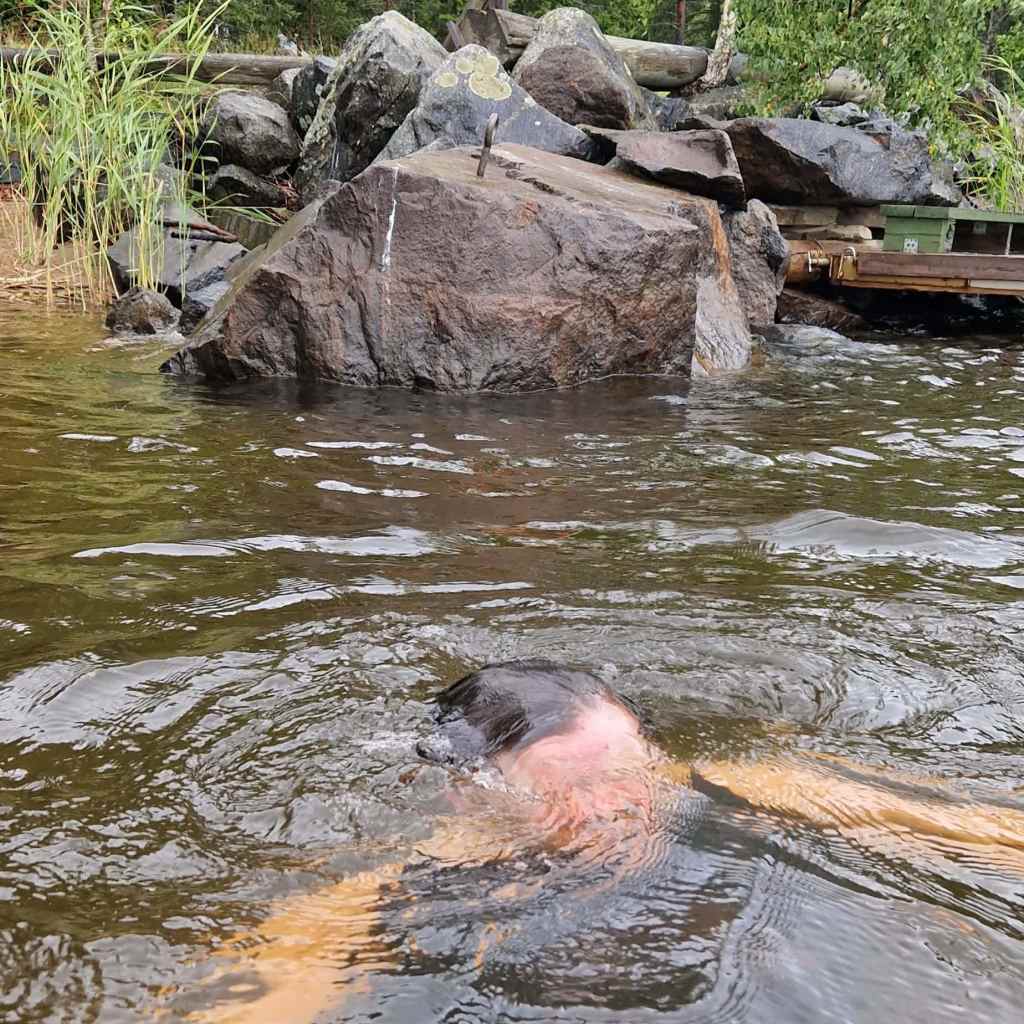
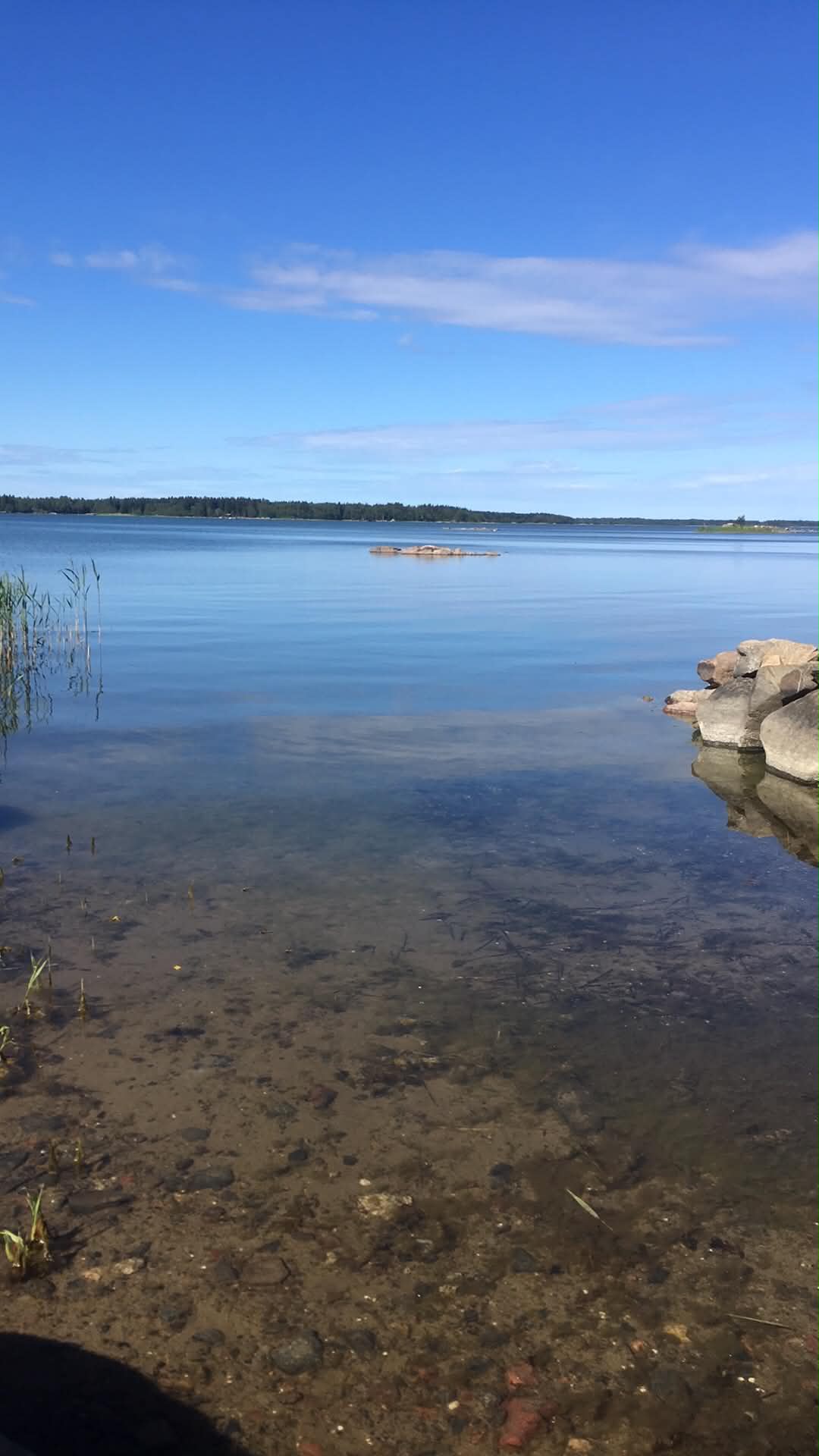
I was already a solitary and sorrowful child. On summer mornings I woke at five, crept down to the seashore and stared into the water. I watched the fish, the reflections of the sun, and longed, quite silently, crouching. The quick, flashing movements of the fish in their bright translucent world gave me a moment of rest and a belief in other spaces, where breathing is done otherwise.
I was perhaps nine. Or thirteen. Or forty-three.
In my memory, the feeling of outsideness appears not so much as an experience of being rejected as of watching from the side.
As if I had been present, but at a slightly different angle, or at a different time, than the others. Not so much outside the community as askew to it.
Perhaps that is why the word loneliness sometimes feels misleading. Even though it is also a terribly strong way of being.
Loneliness means the absence of people. Outsideness can arise in the midst of people. When you are full of excitement, and notice that the others’ excitement is, after all, elsewhere.
The child creeping down to the shore did not know she was a lesbian. She already knew she felt strange desires; the experience of separateness was given space, and the water’s mirror, in the silence of the early morning. Perhaps lesbian culture and queer theory later offered it an important language, a return from the shore without losing oneself. But the feeling itself was older.
That is why I sometimes wonder whether queer melancholia is always about loss. Or whether it is about the position of the observer. About watching the world slightly from the side, slightly too early in the morning, at the water’s edge, while the others are still sleeping or turning in their beds.
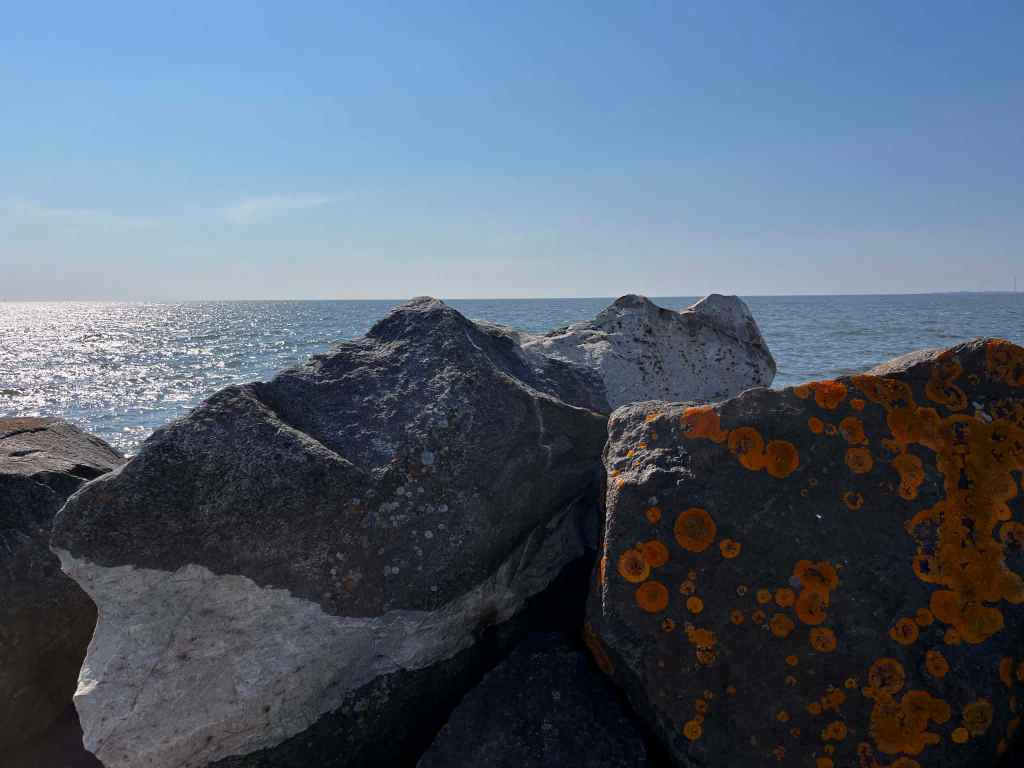
The gaze into the water turns melancholia into something else: from lack into precision, from grief into strength. From the shore, the longing was not directed at the mainland, at joining the others – even though queer later offered recognition there, and a more open language – but somewhere away, toward a horizon that did not yet exist. The child on the shore was not planning for the mainland but practicing the horizon.
Perhaps the tragedy of outsideness is not always that one cannot join in. Perhaps the tragedy is that one begins to watch from the side so early that, later on, one can no longer fully believe in what one assumes the others take for granted.
This can lead to a spiralling loneliness. But also to something else. A stubborn desire, nevertheless, to have a voice. Not because one would want to be like the imagined others, but because the belonging of others can only be imagined – and one can never be certain whether anything is entirely true. Rights do not tell us. Art can suggest. The question keeps echoing until something begins to resonate with it.
Not all outsideness is loss. Sometimes it is practice. Practice for a future that does not yet exist.
Practicing the horizon does not necessarily lead to happiness. It can produce a lasting distrust of ready-made orders, and a difficulty in settling into places that others consider natural, or that would offer external protection. But it can also produce the capacity to see alternatives.
Perhaps this is why so many queer people have been drawn to art, politics, utopias, new forms of kinship, and futures that do not yet exist. And perhaps this is why so many have been able to live without being destroyed by outsideness.
Practicing the horizon does not remove loneliness. It does not make outsideness easy. But it can make it bearable, even fertile. It teaches one to look toward something that cannot yet be fully seen or named – a readiness for a possible world to come.
The attentive child crouching on the shore is energy in which the tension is already there. It hurts, and it gives pleasure. The child is quietly very alive.
With thanks to the writer Heidi Airaksinen and her Sateenkaareva queer writing group – for the resonances that answered.
* On melancholia and its queer afterlives, see e.g. Sigmund Freud, “Mourning and Melancholia” (1917); Judith Butler, The Psychic Life of Power (1997); Heather Love, Feeling Backward: Loss and the Politics of Queer History (2007); José Esteban Muñoz, Cruising Utopia: The Then and There of Queer Futurity (2009); Jack Halberstam, The Queer Art of Failure (2011); Ann Cvetkovich, Depression: A Public Feeling (2012); Lynne Segal, Radical Happiness: Moments of Collective Joy (2017); and, on queer grief as relational practice, Paul Boyce, Trude Sundberg & Antu Sorainen, “Queer Grief: Relations After Death and Loss,” lambda nordica 30(2) (2025): 7–26.
Tällaista halua en tunnista. En kokemusta. Kuten muut?
Monesti queer-melankolian* lähtökohtana on menetys: ihminen haluaa jotakin tavanomaista – perheen, parisuhteen, tunnustuksen, kuulumisen – eikä saa sitä. Syntyy suru siitä, ettei voi olla kuten muut.
Mutta entä jos melankolia alkaa aiemmin?
Olin jo lapsena yksinäinen ja surumielinen. Heräsin kesäaamuisin kello viisi, hiivin meren rantaan ja tuijotin veteen. Katsoin kaloja, auringon heijastuksia, kaipasin aivan hiljaa kyyköttäen. Kalojen välähtelevät nopeat liikkeet niiden kirkkaassa läpikuultavassa maailmassa antoivat hetken levon ja uskon muihin tiloihin, joissa hengitetään toisin.
Olin ehkä yhdeksän. Tai kolmetoista. Tai neljäkymmentäkolme.
Ulkopuolisuuden tunne ei näyttäydy muistissani niinkään kokemuksena torjutuksi tulemisesta kuin sivusta katsomisesta.
Ikään kuin olisin ollut paikalla, mutta hieman eri kulmassa tai eri aikaan kuin muut. En niinkään ulkona yhteisöstä kuin vinossa siihen nähden.
Ehkä juuri siksi sana yksinäisyys tuntuu joskus harhaanjohtavalta. Vaikka se on myös hirvittävän vahva olemisen tapa.
Yksinäisyys tarkoittaa ihmisten puuttumista. Ulkopuolisuus voi syntyä myös ihmisten keskellä. Kun on innoissaan ja huomaa, että toisten into onkin sittenkin toisaalla.
Rantaan hiipivä lapsi ei tiennyt olevansa lesbo. Hän tiesi jo kokevansa outoja haluja, kokemus erillisyydestä sai varhaisaamun hiljaisuudessa tilaa ja veden peilin. Ehkä myöhemmin lesbokulttuuri ja queer-teoria tarjosivat sille tärkeän kielen, paluun rannalta itseä menettämättä. Mutta itse tunne oli vanhempi.
Siksi mietin joskus, onko queer-melankolia aina menetystä. Vai onko siinä kyse tarkkailijan paikasta. Siitä, että katsoo maailmaa hieman sivusta, hieman liian aikaisin aamulla, veden äärellä, kun muut vielä nukkuvat tai kääntyilevät sängyissään.
Katse veteen kääntää melankolian toiseksi: puutteesta tarkkuudeksi, surusta voimaksi. Rannalta ei kaivattu mantereelle, muiden joukkoon – vaikka queer myöhemmin tarjosi siellä tunnistamisen ja avoimemman kielen – vaan jonnekin poispäin, horisonttiin, joka ei vielä ollut. Lapsi rannalla ei suunnitellut mannerta vaan harjoitteli horisonttia.
Ehkä ulkopuolisuuden tragedia ei aina ole se, ettei pääse mukaan. Ehkä tragedia on siinä, että alkaa niin varhain katsoa sivusta, ettei enää myöhemmin osaa täysin uskoa siihen, mitä luulee muiden pitävän itsestään selvänä.
Siitä voi seurata kierteistä yksinäisyyttä. Mutta myös jotakin muuta. Itsepäinen halu kuitenkin saada ääni. Ei siksi, että haluaisi olla kuten kuvitellut muut, vaan siksi, että muiden kuulumisen voi vain kuvitella – eikä koskaan voi olla varma, onko jokin täysin totta. Oikeudet eivät sitä kerro. Taide voi ehdottaa. Kysymys jää kaikumaan, kunnes jokin väre vastaa siihen.
Kaikki ulkopuolisuus ei ole menetystä. Joskus se on harjoitusta. Harjoitusta sellaista tulevaisuutta varten, jota ei vielä ole olemassa.
Horisontin harjoitus ei johda välttämättä onnellisuuteen. Se voi tuottaa pysyvää epäluottamusta valmiita järjestyksiä kohtaan ja vaikeutta asettua paikkoihin, joita muut pitävät luonnollisina tai jotka tarjoavat ulkoista suojaa. Mutta se voi myös tuottaa kyvyn nähdä vaihtoehtoja.
Ehkä juuri siksi niin moni queer-ihminen on ollut kiinnostunut taiteesta, politiikasta, utopioista, uusista sukulaisuuden muodoista ja tulevaisuuksista, joita ei vielä ole olemassa. Ja ehkä juuri siksi niin moni on kyennyt elämään tuhoutumatta ulkopuolisuuteen.
Horisontin harjoitus ei poista yksinäisyyttä. Se ei tee ulkopuolisuudesta helppoa. Mutta se voi tehdä siitä siedettävää, jopa hedelmällistä. Se opettaa katsomaan kohti jotakin, mitä ei vielä voi täysin nähdä eikä nimetä – valmiutta tulevaan mahdolliseen maailmaan.
Rannalla kyykkivä tarkkaavainen lapsi on energiaa, jossa jännite on jo. Se sattuu ja tuottaa nautintoa. Lapsi on hiljaa hyvin elävä.
Kiitos kirjailija Heidi Airaksiselle ja hänen Sateenkaarevalle kirjoitusryhmälleen lukemisesta ja kannustuksesta – väreistä, jotka vastasivat.
* Queer-melankoliasta ja sen jälkielämistä ks. esim. Sigmund Freud, ”Murhe ja melankolia” (1917); Judith Butler, The Psychic Life of Power (1997); Heather Love, Feeling Backward: Loss and the Politics of Queer History (2007); José Esteban Muñoz, Cruising Utopia: The Then and There of Queer Futurity (2009); Jack Halberstam, The Queer Art of Failure (2011); Ann Cvetkovich, Depression: A Public Feeling (2012); Lynne Segal, Radical Happiness: Moments of Collective Joy (2017); sekä queer-surusta relationaalisena käytäntönä Paul Boyce, Trude Sundberg & Antu Sorainen, ”Queer Grief: Relations After Death and Loss”, lambda nordica 30(2) (2025): 7–26.
Aging, dying, burying, mourning is now more than before.
“What has been squeezed and displaced to the edge of personal and social concern a few years ago, such as environmental burial and hospice care , has become the focus of attention.
Other topics such as LGBT aging and socially unrecognizable grief are only at the beginning of similar developments.
Funeral rituals , on the other hand, are considered to be self-evident, given.
Movement is life , stagnating its opposite. What was in the middle could move to the edge. What was on the edge could move to the middle. And somewhere outside those still points is hope for a meeting.
Welcome to my slightly eccentric site.”
taiteilija: Jansson, Tove Inventaarionro A-2006-155 teosnimi: Mystinen maisema haltija: AT ajoitus: n. 1930 tekniikkateksti: öljy vanerille pääluokka: maalaus aihe: mystiikka ; maisema ; vuori ; tie ; kaupunki ; puu ; kukka ; eläin ; kissa mitat: 61 cm x 152,5 cm Digikuvanro I0028200 originaalin valokuvaus 2007-03-13 valokuvaaja: Aaltonen, Hannu digiluokitus: digioriginaali digitointilaite: Canon Eos-1 Ds Mark II kuvankäsittelyohjelmisto: Photoshop CS2
Antu Sorainen poses important questions in her piece Queering lesbian weirdness, romanticism – and the power of antisocial genius. Namely, what does our responses, thoughts and most importantly, our moral judgments regarding the “AR case”, tell us about ourselves? What does it say about our “objects of desire” and our understanding of, hopes, wishes and definitions of queer feminist academics, queer and feminist academia, and queer and feminist life?
Is our beloved “fragile scene” in fact a collective of fallen creatures, (like any other community is), one might ask – must we now deal with the disappointment of understanding that there are in fact no safe spaces? (By the way another queer rule/lesson).
Two questions of interest on a general level come to my mind, related to the debate concerning Avital Ronell – a case I do not really have any direct opinion about, due to lack of information.
My first thought would be about our limited skills (or desire?) to discuss the matters of difference in the context of sexual harassment cases. As I see it, we simply lack a vocabulary for that kind of debate. Sexual harassment legislations are formulated to hinder power abuse; but do we here, in the AR case, discuss power abuses only of the patriarchal type, or also in divergent queer contexts? The specific forms that power abuse takes in these two major scenes (patriarchy vs. queer) do not need, out of some necessity, to differ significantly. However, as a person who has experienced both contexts I think that we really need to ask that question; and start to imagine a lexicon for it.
The storm and rage around the Avital Ronell case in the US and beyond confuses many of us while it has also produced a forum for a deeply reactive emotional response – and this has been a huge surprise to me – among critical queer/feminist scholars. These are the intellectuals whose outspoken task has been to go against the grain; to keep theorizing, analysing and ”scientifying” matters that patriarchal society, conservative (male-run) academy, and the populist right-wing political front have wanted to label as troublingly non-matter(ing), incorrectly ideological, or just unintelligible and therefore wrong, problematic, shameful and condemned.
Why, then, do so many coming from this brave intellectual queer/feminist community now seem to forget the complicated character and history of their own becoming as an academic community, as risk-takers in the contingent sphere of academic intelligibility, and focus their righteous or at least morally upper-handy attention on one (however possibly ethically wayward) person, a queer/lesbian feminist woman?